Empowering Patients: Essential Insights into Cancer Care and Wellness
Navigating the cancer journey is like walking through an uncharted forest. The trees may seem thick, and the path unclear, but with the right tools and guidance, it’s possible to find your way toward health and wellness. As patients, caregivers, and families, we are often confronted with a multitude of questions: What does cancer care really entail? How can I empower myself during treatment? These reflections are vital, as understanding the landscape of cancer care doesn’t just pave the way for better health; it illuminates the path of survivorship and wellness, making oncology awareness essential to the journey ahead.
In our quest for knowledge and support, it’s important to engage with the wealth of resources available around cancer research. From the latest treatment options to symptom management methods, keeping abreast of cancer news equips patients with critical medical information. But awareness isn't just about acquiring facts; it's about transforming knowledge into action. As we arm ourselves with education, we open up avenues for disease prevention and healthier living, emphasizing that engaging in one’s care is a form of patient empowerment that can significantly influence outcomes.
Imagine your cancer journey as an intricate tapestry. Each thread represents a different aspect: therapy options, support networks, holistic health approaches, and wellness tips that promote a balanced lifestyle. A patient support network can be invaluable. Connecting with the cancer community can furnish an environment filled with empathy, shared stories, and collective strength. This camaraderie reminds us that we are not alone in our struggles. As one survivor once aptly put it, "The best way to help myself is to help others." Leaning into support can yield both personal and collective growth as we navigate our paths together.
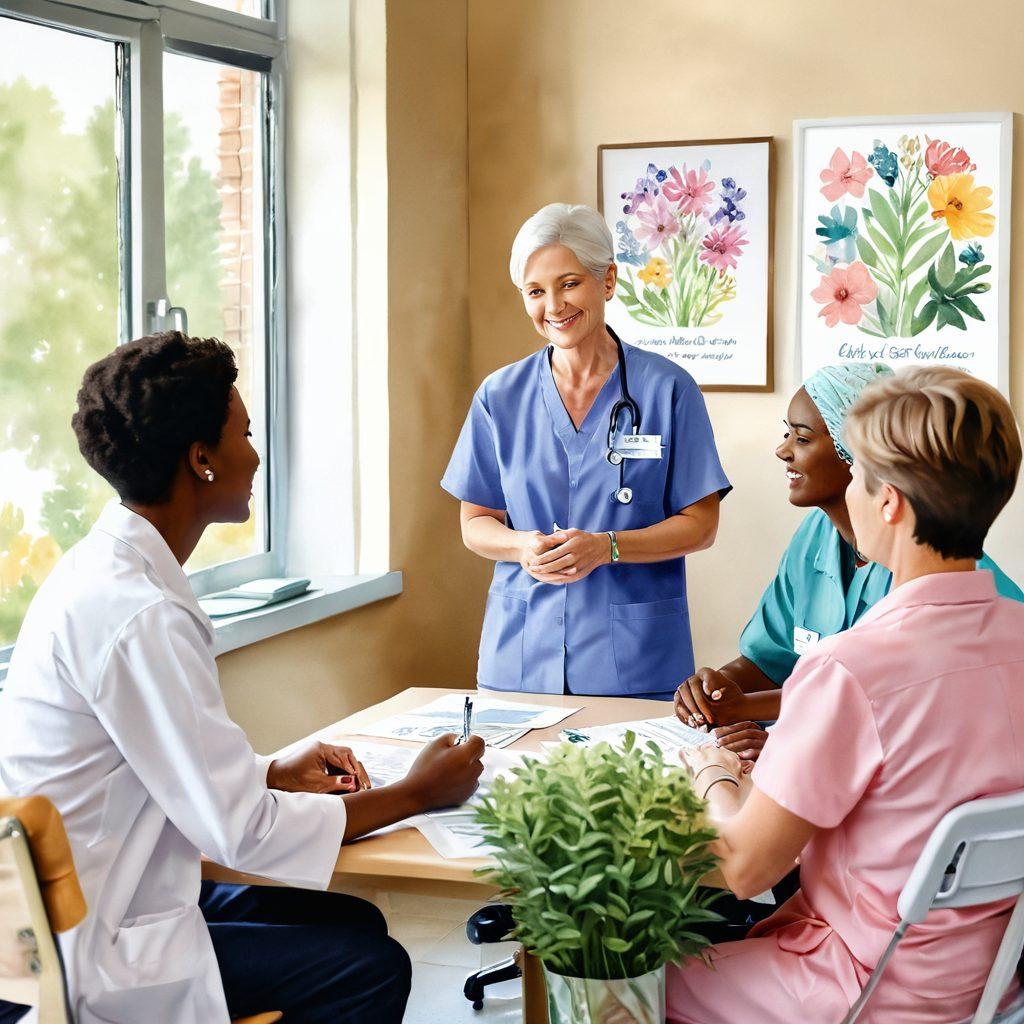
However, individuals often face numerous choices. How do you choose the right treatment options when presented with so much information? Here, a crucial aspect of cancer guidance comes into play. It’s vital to have thorough discussions with your healthcare team, focusing on what resonates best with your values and lifestyle. Whether it’s exploring novel therapies or traditional methods, clarity in communication can steer you toward informed decisions that support your health and wellness. This dialogue fosters a sense of autonomy and confidence — vital components of patient empowerment.
Finally, we should never underestimate the profound impact of advocacy and education. Being proactive about cancer care can propel you into a lifestyle of wellness and resilience. By staying informed through reliable health resources and advocating for oneself or a loved one, we shape our circumstances rather than letting them mold us. Each day presents an opportunity: what wellness tips will you embrace today? What small yet impactful step can you take toward your cancer journey? Remember, the path may be winding, but with empowerment, we can move confidently toward a brighter, healthier future.
Building a Stronger Community: Advocacy and Support in Cancer Care
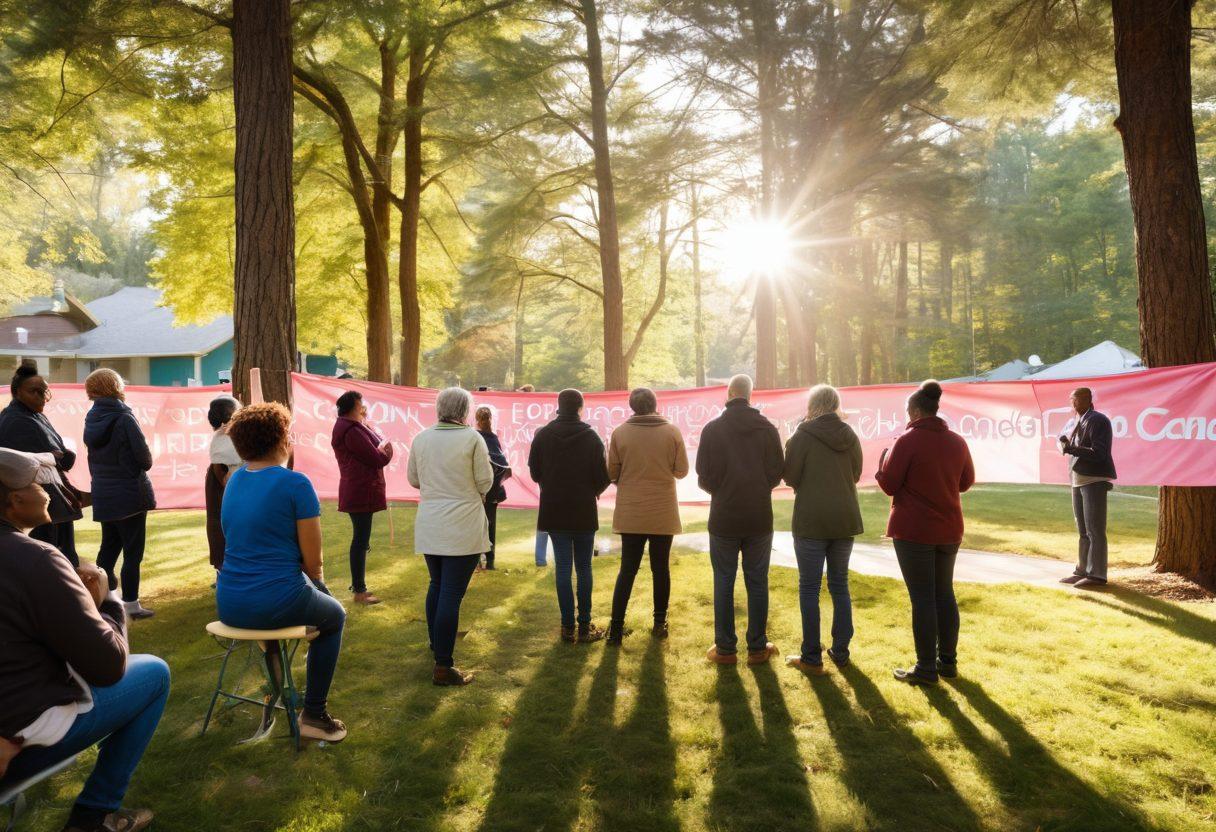
In the face of cancer, community stands as a vital support network, and advocacy becomes the heartbeat of progress. Imagine walking through a labyrinth of treatment options, disease prevention strategies, and holistic health tips, all while knowing that you are not alone. Building a stronger community around cancer care isn't just a concept; it's a commitment to uplift patients, empower them with knowledge, and provide a haven of support. As the famous saying goes, 'Together we are stronger.' This sentiment rings true especially in the realm of oncology awareness and cancer advocacy, where unity can lead to groundbreaking advancements in cancer research and patient care.
Navigating the turbulent waters of cancer can be overwhelming. Patients and their families often find themselves bombarded with medical information, unsure of what to trust or where to turn. That is where patient support groups come into play. These communities offer not just companionship, but also invaluable resources. They share wellness tips, provide insight into symptom management, and discuss therapy options that may have proven successful for others. There’s something incredibly comforting in knowing that those sharing the same struggle can offer personal anecdotes that guide and inspire while they fight cancer together.
The potential of advocacy in cancer care cannot be overstated. By advocating for cancer education and health resources, we empower patients with knowledge about their diagnosis and treatment options. Consider for a moment: how many lives could be impacted positively by simply sharing experiences and information? This ripple effect can lead to greater patient empowerment, where each individual feels equipped to make informed choices about their health and wellness. Moreover, engaging in cancer advocacy allows survivors to share their stories, paving the way for new treatments and support systems while raising awareness for future patients.
One of the most pivotal aspects of building community in cancer care is the exchange of cancer news and updates about the latest research and breakthroughs in treatment options. As individuals gather to hear about new advancements in cancer research, they foster a sense of hope—hope that fuels the fire to withstand the challenges that come with diagnosis. Each story of cancer survivorship inspires others and reinforces the importance of fighting cancer not just as a disease, but as part of a larger journey towards healing and wholeness. Community becomes a source of strength, transformation, and resilience.
In conclusion, when it comes to cancer care, the power of community, advocacy, and support cannot be underestimated. Let’s come together to foster spaces where patients can feel seen, valued, and understood. By prioritizing patient support and making space for meaningful discussions, we contribute to a network of cancer care that prioritizes holistic health and truly embodies the spirit of togetherness. So next time you encounter someone on their cancer journey, ask yourself: how can I be a part of their community and provide the support they need? The answer may just change not only their life but yours as well.
Exploring Holistic Approaches: Integrating Health and Wellness in Oncology
In the realm of cancer care, the narrative is evolving. Gone are the days when medical treatment stood alone; instead, we are witnessing a growing integration of health and wellness into oncology. As we dive deeper into this practice, it's clear that holistic approaches are proving to be essential in supporting patients through their journey. But what does holistic health really mean in terms of cancer care? How can we tap into the profound connection between mind, body, and spirit to enhance our fight against cancer?
Imagine a world where cancer treatment isn't just about chemotherapy, radiation, or surgery, but includes practices to nurture the whole person. This is the essence of holistic health in oncology. The integration of disease prevention strategies, mindfulness practices, and tailored wellness tips can significantly influence the outcomes of cancer treatments. According to various cancer research studies, patients who engage in holistic wellness approaches tend to experience better symptom management and overall quality of life. When was the last time you considered a yoga class or a meditation session as part of your treatment plan?
Patient empowerment is the heart of holistic approaches in cancer care. By educating themselves about their treatment options and advocating for their needs, patients become active participants in their healing journey. Organizations focused on cancer education and advocacy provide invaluable health resources that enable patients to make informed decisions. Remember, it's not just about fighting cancer; it's about embracing every tool available to harness one’s personal strength and resilience as a part of cancer survivorship. What additional resources can you explore to feel more in control of your health journey?
Furthermore, the cancer community thrives on mutual support. From survivor support groups to wellness workshops, these connections foster shared experiences and valuable insights. Engaging with others who understand the challenges of cancer can reinforce the message that you are not alone. Imagine exchanging stories that inspire and empower you to explore new therapy options that incorporate physical, mental, and emotional health. How might supporting someone else in their journey contribute to your healing process?
In conclusion, as we continue to unravel essential insights into cancer care and wellness, the integration of holistic approaches stands as a beacon of hope for patients. By embracing various holistic health techniques, patients not only enhance their treatment experience but cultivate a thriving community of support and knowledge. The future of oncology awareness hinges on our collective efforts to intertwine traditional medical practices with innovative wellness strategies. Ultimately, let’s empower each other—whether that’s through patient support, sharing cancer news, or advocating for cancer guidance to enrich the narratives of wellness in our lives. What step will you take today towards integrating health and wellness into your own cancer journey?